- Home /
- Shop /
- Yellow/Scopas Hybrid Tang (Zebrasoma scopas x flavescens)

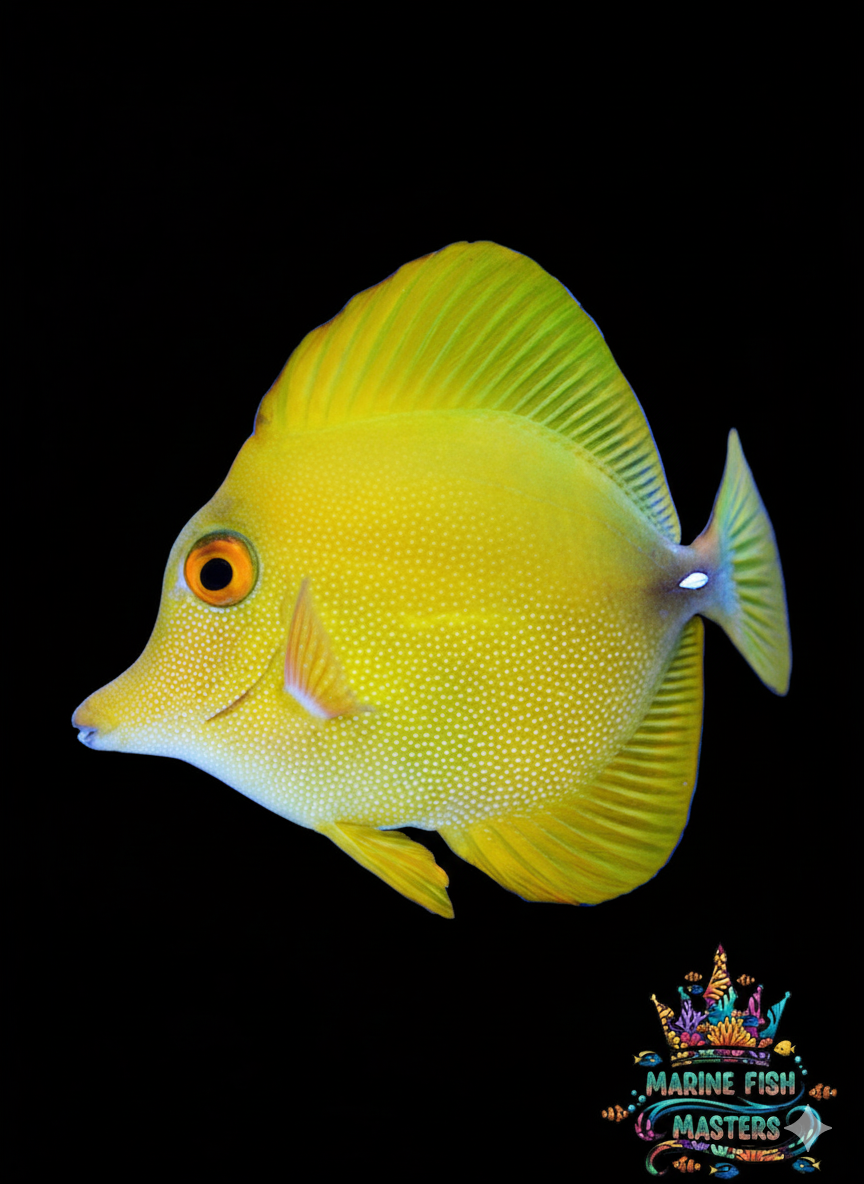
Yellow/Scopas Hybrid Tang (Zebrasoma scopas x flavescens)
Yellow/Scopas Hybrid Tang (Zebrasoma scopas x flavescens)
Low stock
Couldn't load pickup availability
Description
The Yellow/Scopas Hybrid Tang is a visually striking and hardy addition to the marine aquarium, blending the vibrant yellow of the famous Yellow Tang (Zebrasoma flavescens) with the deeper coloration and body shape of the Scopas Tang (Zebrasoma scopas). Highly sought after for its unique appearance, this hybrid also serves as an excellent, active algae grazer, promoting a cleaner, balanced reef environment. Care Information for the Yellow/Scopas Hybrid Tang
Tank Requirements
A minimum tank size of 100 gallons is essential to provide ample swimming room for this active, free-roaming fish. Like all Tangs, the Yellow/Scopas Hybrid needs a large volume of water to thrive and remain healthy. Include plenty of live rock for grazing and multiple hiding spots to reduce stress and mitigate territorial behavior. Excellent water quality and strong aeration are critical.
Diet & Feeding
As a primary herbivore, a diverse, algae-rich diet is crucial for the health and coloration of your Yellow/Scopas Hybrid Tang. A constant supply of marine-based algae should be provided throughout the day.
Staple Foods: High-quality flake and pellet food formulated for herbivores.
Essential Supplement: Offer dried marine macroalgae, such as Nori sheets, attached to a vegetable clip several times a week.
Variety: Occasional feedings of frozen herbivore preparations or small meaty foods can be offered, but the diet must remain predominantly plant-based to support its long-term digestive health and prevent Head and Lateral Line Erosion (HLLE).
Temperament and Compatibility
The Yellow/Scopas Hybrid Tang is categorized as semi-aggressive and can be territorial, especially towards other tangs, surgeonfish, or fish with similar body shapes.
Tank Mates: It is generally peaceful with most non-Tang species, including clowns, wrasses, angelfish, and inverts.
Introducing Tangs: To minimize aggression, introduce this Tang as one of the last fish to the aquarium, and ensure the tank is large enough for all fish to establish their own territory.
Reef Safety: This species is reef compatible and is highly valued for its natural grazing habits, which help control nuisance algae growth on rockwork and glass without harming corals or invertebrates.